In sun power making projects, mount things are used to hold the support frame to the ground. Big foot bases are a common kind of base and are used a lot because their clear build and wide use.
Basic Structure Expanded footings are usually made from concrete and look like solid blocks, often square or rectangle shape, with base part bigger than top part. This 'small top, big bottom' shape make more contact between foundation and ground under, so it spreads top weight over more soil area. Some steel bars are put inside the foundation to help concrete not break from pull and bend. Anchor bolts or connect plates are either put in before or added later on top of foundation to hold up the solar mounting system's upright posts.
Principle of Operation When wind, snow, or its own weight hit the ground-set rack and solar panels, those forces go through the columns to the base. The spread footing keep steady by two main ways:
First, the base big area of foundation is enough big to make less pressure on ground under, stop ground sink or tilt. Second, the work between foundation and dirt around it, plus the foundation's own weight, fight against tip over or slide from outside push.
Suitable Conditions Spread footings work good for many ground types, special where top dirt can't hold much weight and direct piling not work. On places where footing top height must be very controlled, or ground surface is not flat, design can be done by change footing height and its steel.
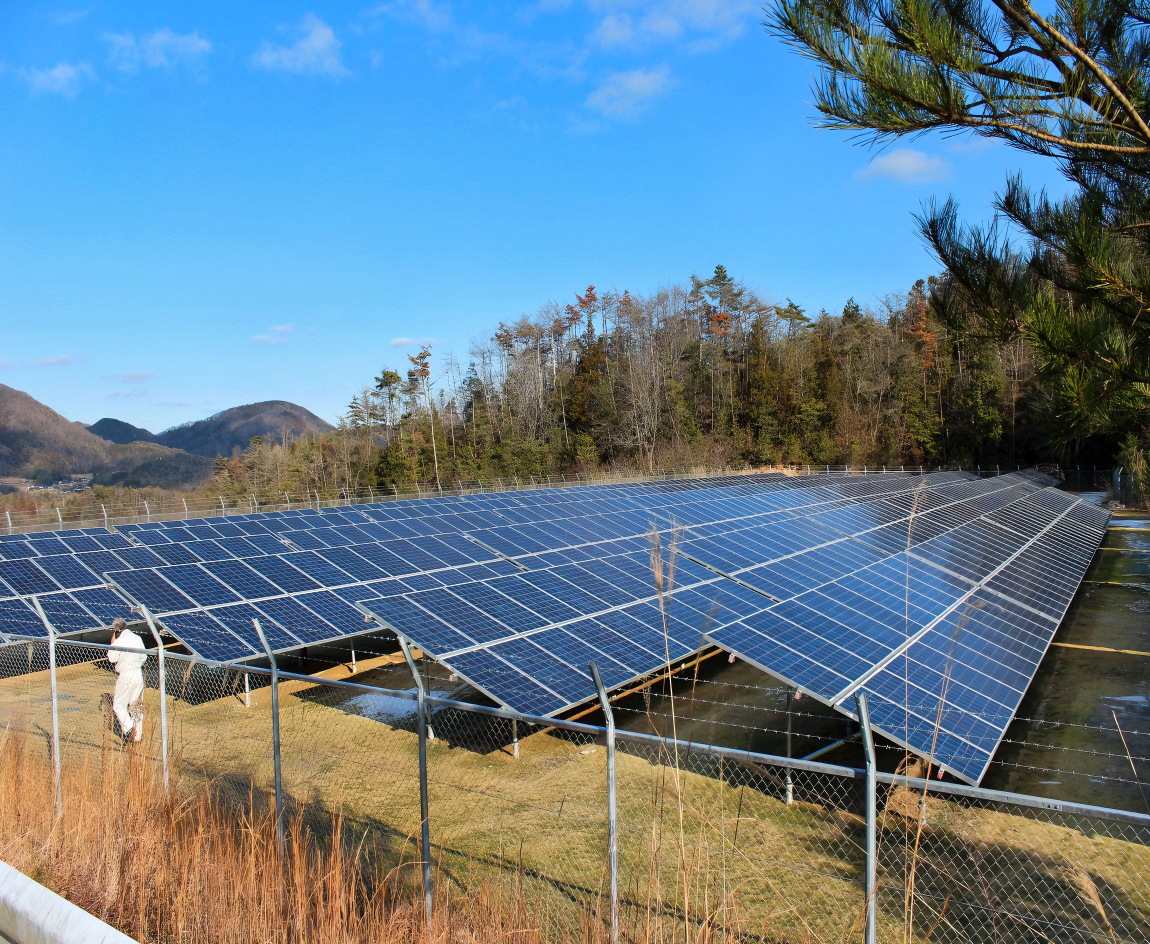 Construction Process
 Spread footings build work have steps like these:
Mark site from draw plans to get place for each foot.
Dig holes for base at the set spots; hole sizes need be a bit bigger than the base outside sizes.
Tie the bars for strengthen and put up formwork, while put in anchor bolts or connectors.
Pour the concrete and make it tight so the concrete get dense.
After the concrete set, you cure it; the cure time usually not less than seven to fourteen days.
When concrete get to design strong, take off the form and fill dirt back around the hole pits.
Key Features The spread footing give a good strong fix, with ways for figure out how much weight it hold and how to build it that are pretty known. It don't need big machines and can do on normal ground. The bad parts are it take long time to make, 'cause you must wait for concrete to get hard, and the amount of dirt work and concrete you need is also big.
Overall, spread footing is a stable and very guessable kind of solar mount base, good for projects with special needs about weight hold and height control.


