In the photovoltaic industry, the competition to improve power generation efficiency has never stopped. As the efficiency of photovoltaic modules gradually gets close to its physical limit, the industry's attention has more and more shifted to another key variable that is the solar tracker mounting system.
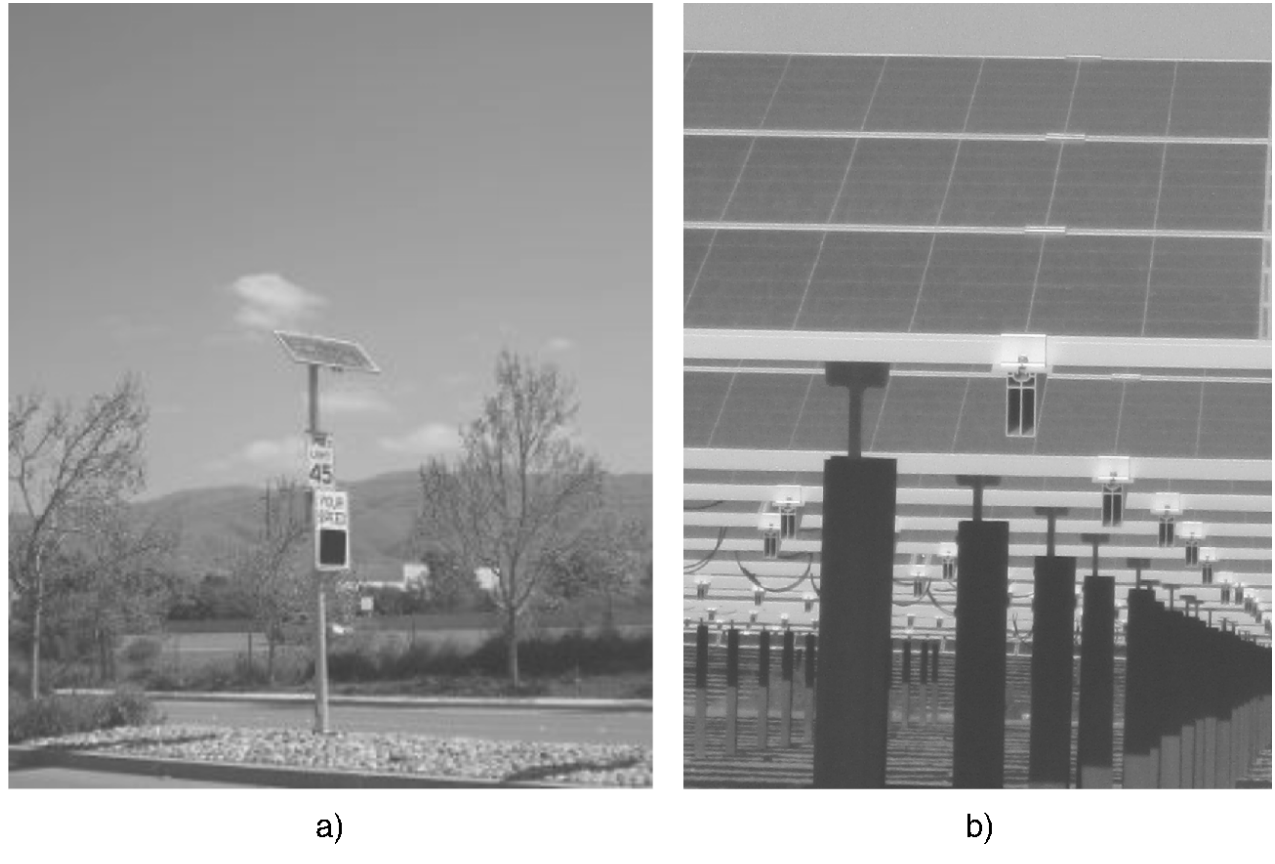
These systems that were once regarded as simple metal structures are now undergoing profound transformations.It is no longer merely a passive supporting "framework" for photovoltaic panels; instead, it has evolved into an intelligent platform that integrates power generation optimization, grid interaction, and resilience to extreme weather. The core competitiveness of future photovoltaic power stations to a large extent depends on how "intelligent" and how "reliable" this system is.
Currently one of the extremely important technological breakthroughs is the engineering realization of the flexible installation concept. The traditional rigid installation system has great limitations in adapting to the terrain especially in complex scenarios like the combination of aquaculture - solar energy mountainous and hilly areas or mining subsidence areas and the exorbitant basic cost is extremely discouraging.The new prestressed flexible cable truss structure that uses tightened steel cables to support photovoltaic modules greatly reduces the quantity of pile foundations and can attain spans of dozens of meters.This is not merely a success in materials science but a transformation of the design concept - from "resisting the terrain" to "embracing the terrain". In the large - scale hydropower station reservoir area in southwest China, this large - span flexible solar tracker mounting system has already been successfully connected to the grid.It shows that the tracking bracket can realize efficient power generation and will not damage the original terrain or the aquatic ecosystem, thereby creating quite a lot of possibilities for solar development in areas with limited land resources.
If structural innovation is considered as the evolution of the "skeleton", then the upgrade of control algorithms means the "brain" awakening. Although traditional astronomical algorithms are rather accurate, when facing rapidly changing local microclimates, they seem a bit "slow-paced".The new-generation solar tracking installation system has already put into use the closed-loop control logic based on weather forecast.By integrating the in - site irradiance meters, anemometers as well as rain - and - snow sensors, this system is able to determine the optimal angle in real time. For example, in the mornings or evenings, the algorithm will start the "reverse tracking" mode, finely adjusting the angles of adjacent supports, thereby avoiding mutual shading - this method can capture more than 1.The irradiance on the flat ground ranges from 5% to 2.5%.When encountering a sudden gust of wind, the system does not only carry out the simple wind protection command to flatten the panel; instead, it dynamically adjusts the angle of attack according to the wind direction and the twist pattern of the installation structure itself so as to minimize the peak wind load as much as possible.This "positively facing the wind" strategy which can effectively avoid the risks of resonance in extreme situations also greatly enhances the safety of the entire array structure indeed.
Looking ahead further the value of solar tracker mounting systems will go beyond power generation itself becoming an indispensable "flexible regulator" within the new power system. As PV penetration rates surge the grid dispatch requirements for PV power plants are becoming increasingly strict.Fixed brackets can only make a choice between "generating" or "closing", while tracking brackets have brought about a third dimension that is "adjusting".By actively adjusting the angle at which the components deviate from the optimal power generation position the power plant can achieve millisecond-level smooth control of the output power and also participate in the primary frequency regulation of the power grid. This so-called "power reduction" is for better integration of solar energy upgrading the tracking support from a simple power generation device into a grid auxiliary service resource.Moreover the introduction of digital twin technology enables operation and maintenance personnel to simulate the fatigue damage situation of bearings under various working conditions in the virtual environment promoting the transformation from "periodic maintenance" to "predictive maintenance" which is a crucial factor for reducing the levelized cost of energy (LCOE) throughout the life cycle.
Certainly there are still challenges for these cutting-edge technologies to be widely applied indeed. The high-precision control algorithms need to rely on stable communications, and also need to verify the reliability of the complex mechanical structure within a 25-year service life, and the increase in initial investment needed for intelligent upgrades is also an obstacle that the industry has to overcome as well.
Yet the direction is crystal clear. When solar tracker mounting system is deeply integrated with materials science, meteorological big data and artificial intelligence, what comes into being are intelligent entities that can think, can sense and can actively participate in energy dispatching, not being just silent watchers under the sun any longer.The lofty installation structure's "blue ocean" is quietly bringing about a profound transformation centered on high efficiency and intelligence.


