In start plan for big sun power projects, pick of mount type often direct decide whole plant's steady and long fix cost. As one of two main picks for ground put systems, single pole solar mount (each hold point use one pole push in ground) get more share of world market because of its simple build plan. To real know its worth, we must put away the wrong idea that "one point hold means weak" and instead look from sides of mechanics, earth study, and build money.
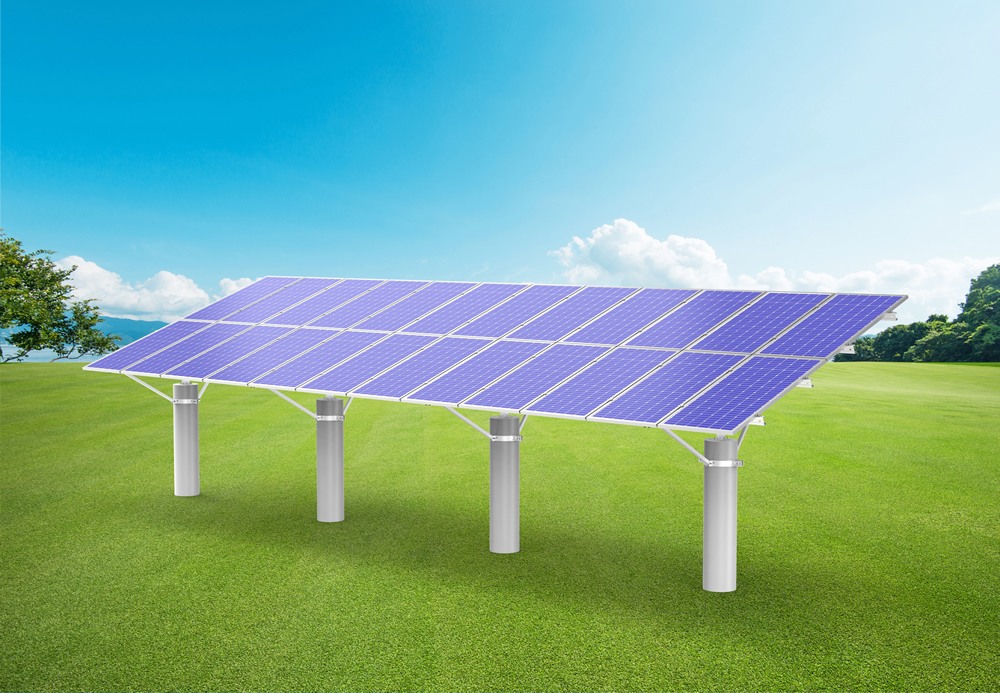
The big win ofsingle pole solar mount is in the very easy way they put together. Old two or four post bases need dig first, tie rebar, and pour concrete. But single pole solar mount just use screw piles or drill and grout. This cut out big earth work at site and no wait time for concrete to harden. In a normal 100-megawatt job, this build speed up give a big cut in job time. For jobs that want to hook to grid before subsidy end, the money value of this time save is huge.
From a stuff science view, single pole solar mounts show very high material use. They take the bend forces from up loads and side wind loads and send them through one column deep into the ground. This plan make engineers be more careful in picking structure shapes; usually, strong zinc-coated steel with thick walls is used to handle twist stresses. In fact, in many low-wind places, the steel amount per column in a single-column system is often 10% to 15% less than multi-column builds. This light design not just cut raw material buy costs but also make building work on hill or odd slope spots, as the height of each column can be set separate based on the land.
For slope fit, this is another tech big point of one-post sun setups that can't be missed. On places with natural east-west slopes, many-post builds often need more level parts or step bases, but the alone hold feature of one-post systems let the PV panel groups follow the ground's natural shape. This mean project makers don't need to pay big money for site level, cut down earth move cost a lot and less harm to the first land shape. For mountain sun projects, this born ability to follow ground make the one-post design almost the normal setup.
But every build shape got its body stops, and one-post sun holder systems have big hard times when big weather hits. All weight goes to one hold spot, so the bend force at post bottom get real big fast when wind or snow go past design limits. This weight hold thing mean in high-wind spots—like the Great Plains or coast parts of U.S. Midwest—one-pole systems either need a lot more pole size and wall thick or cut down the north-south row space, which often kills their first good point in stuff cost.
Another thing need careful look is how hard to make foundation design. The stand-still of single pole solar mount big depend on right ground study data. In soft dirt places—where hold power low or there is risk of different sink—single-pile bases may slowly start to tilt. This long-time, slow move effect can make the way of whole PV line change, cause hidden loss in making power. To fix this problem, engineers often must make pile longer to get to deeper hold layers or use bigger twist blades; these fix steps make foundation cost go up a lot.
From a system put together view, single-post sun mounting systems have natural limits for tracker fit. Single-axis track options are out there, but next to dual-post track systems, single-post builds have less design room for the spin part. To keep twist stiffness when following the sun path at big angles, pick of drive motors and spin reducers must be more safe, which can make the electric control system break more often. So, in big, single-axis track jobs that need high trust and low cost per kilowatt-hour, the single-post way is not always the best pick.
For easy use and fix, single-pillar sun mounting systems have a good and bad mix. On one side, because posts are way less than many-post setups, the open space under the PV array is more big, which helps a lot for machine cutting and clearing bush-like weeds. On the other side, single-post builds often leave DC wires and combiner boxes out and not safe. If special cable paths are not put in when designing, the chance of old wires from sun and animal harm is much more high than in all-steel many-post systems.
From big view of life-cycle cost (LCOE), single-post solar mounting systems look very good for projects that care about money. As module prices keep going down and land costs take more part of total spend, investors more and more like to put their money into mounting ways that let fast start work. Especially in grown markets with tight project times and high labor costs, the help of single-post systems in making short the time from finance close to business run often more than fix the extra strengthen costs needed under some ground conditions.
In short, single-post sun catch systems not a one-fit-all answer, but a very special tool for target use. Their good part is in chase of best build speed, land change fit, and small start money cost. For build jobs with clear ground conditions, not too fast wind, and focus on fast turn rates, single-post plans sure give great money value. But for power places in bad weather, ones with hard system steady needs, or ones using complex track math, smart makers must pick careful based on deep wind tunnel test results and pile base test data. At end, smart in picking mount system not in chase of part strong alone, but in get best whole system set under many nature limits.


